
Why Acne Leaves Marks — And Why Treating It Earlier Changes Everything
• Most acne products work after damage has already started.
• Strong ingredients can stress surrounding skin.
• Most pimple patches work only when acne is already late-stage.
• Early-stage care may help reduce visible aftermath.
• Epikadot supports a gentler, earlier care approach.
Let’s be honest — most acne routines don’t fail. They just start too late.
If you’ve ever cleared a pimple only to be left with a red mark, dark spot, or uneven texture, you’re not alone. Post-acne marks are one of the most searched skin concerns in the US.
The problem usually isn’t effort. It’s timing.
“Clearing acne is not the same as preventing what comes after.”
Most Acne Treatments Start After the Damage Is Done
Most over-the-counter acne products are designed for visible pimples — those that are already red, inflamed, or sitting on the skin’s surface.
At that point, the skin has already experienced overloaded stress. Even when the breakout improves, the skin is often left in recovery mode, which is why post-pimple marks are so common.
Why Strong Acne Ingredients Can Feel So Harsh
Ingredients like benzoyl peroxide are widely used because they are powerful. However, many users experience burning, stinging, or dryness.
Highly active ingredients can also affect surrounding skin, especially when used frequently or on sensitive areas. Effective doesn’t always mean gentle.
“Powerful doesn’t always mean skin-friendly.”
Acids Aren’t Always Ideal for Dry or Sensitive Skin
Salicylic acid, glycolic acid, and other exfoliating acids are common in acne routines. But for dry or sensitive skin, they may cause peeling, tightness, or discomfort.
While exfoliation can support smoother-looking skin, aggressive exfoliation may disrupt comfort and balance.
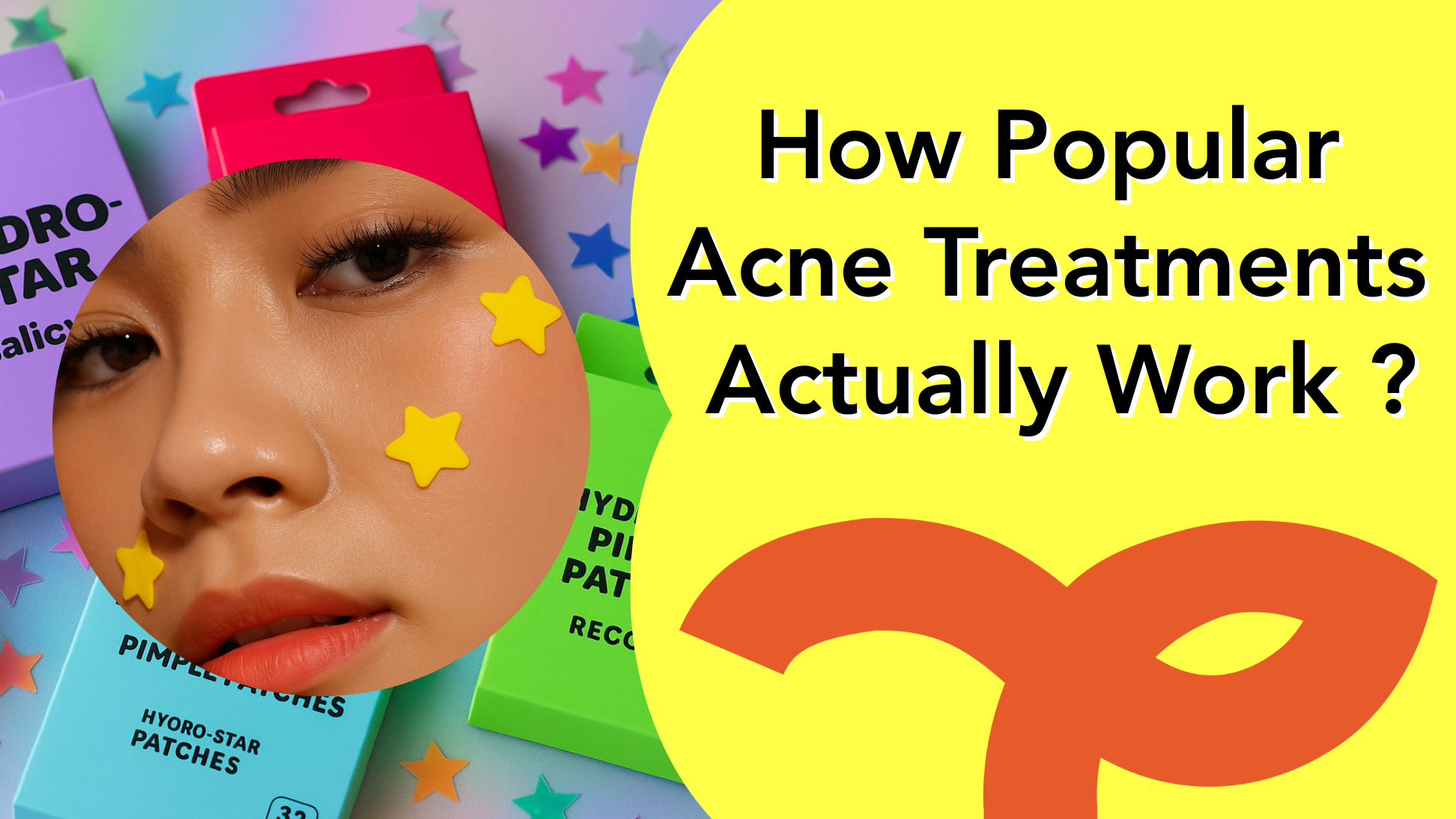
Why Pimple Patches Only Work at the Final Stage
Hydrocolloid pimple patches absorb liquid (including pus) from the skin’s surface. This means they work best only when a blemish has already formed and reached the surface.
They can look satisfying, but they are designed for late-stage pimples — when visible skin disruption has already occurred.
“Late-stage fixes can’t undo early damage.”
The Acne Stage No One Talks About: Early-Stage Pimples
Before acne becomes visible, many people feel subtle early signs — a small bump, tenderness, or pressure under the skin.
At this stage, the skin surface may feel thicker or firmer, making traditional topicals feel less effective. Because it’s not obvious, this stage is often ignored.
A Smarter Acne Habit: Start Earlier, Not Stronger
Reducing post-acne marks isn’t about harsher products. It’s about earlier care.
Supporting skin at the first sign of imbalance can help minimize visible stress and reduce the need for aggressive correction later.

Where Epikadot Fits In
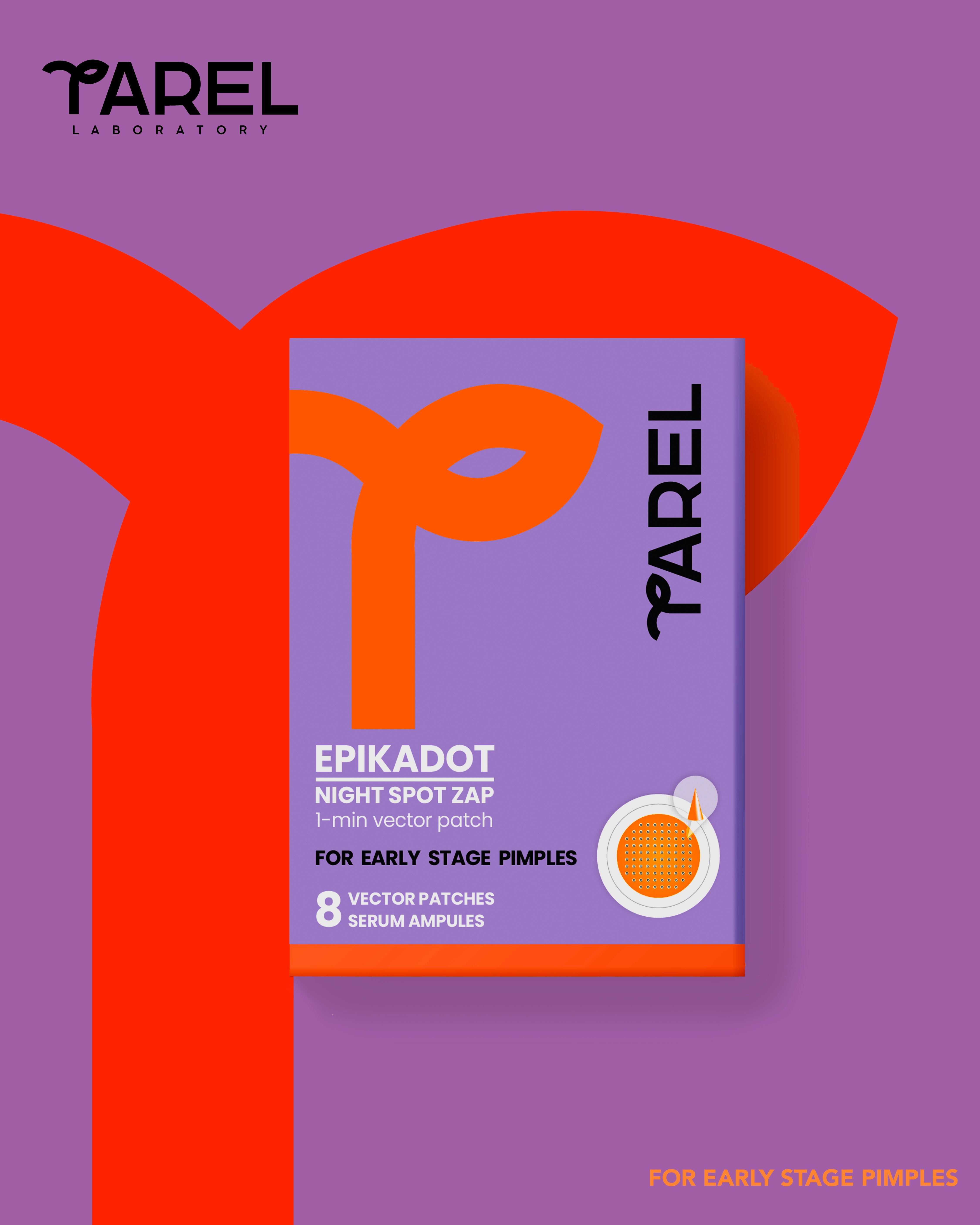
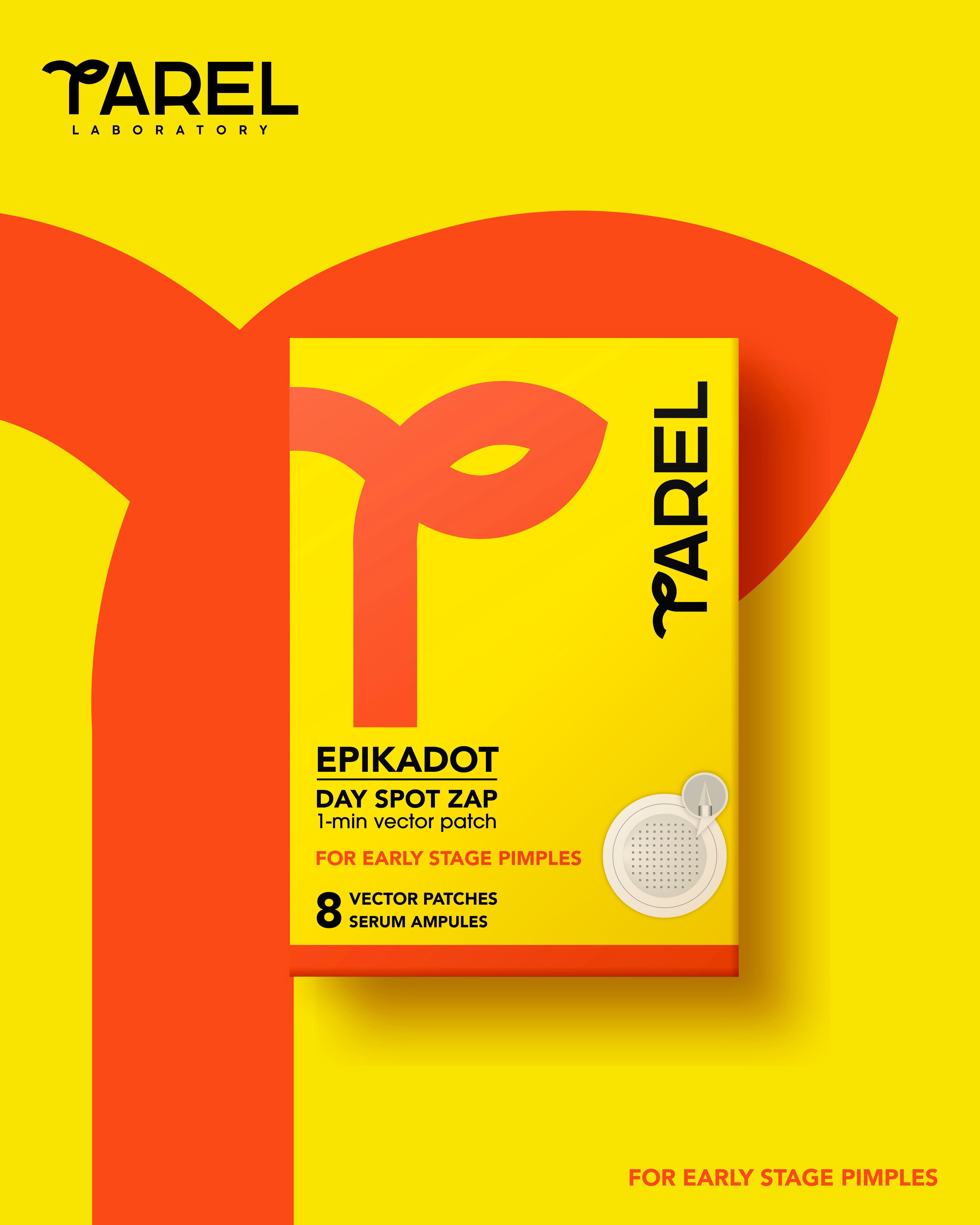
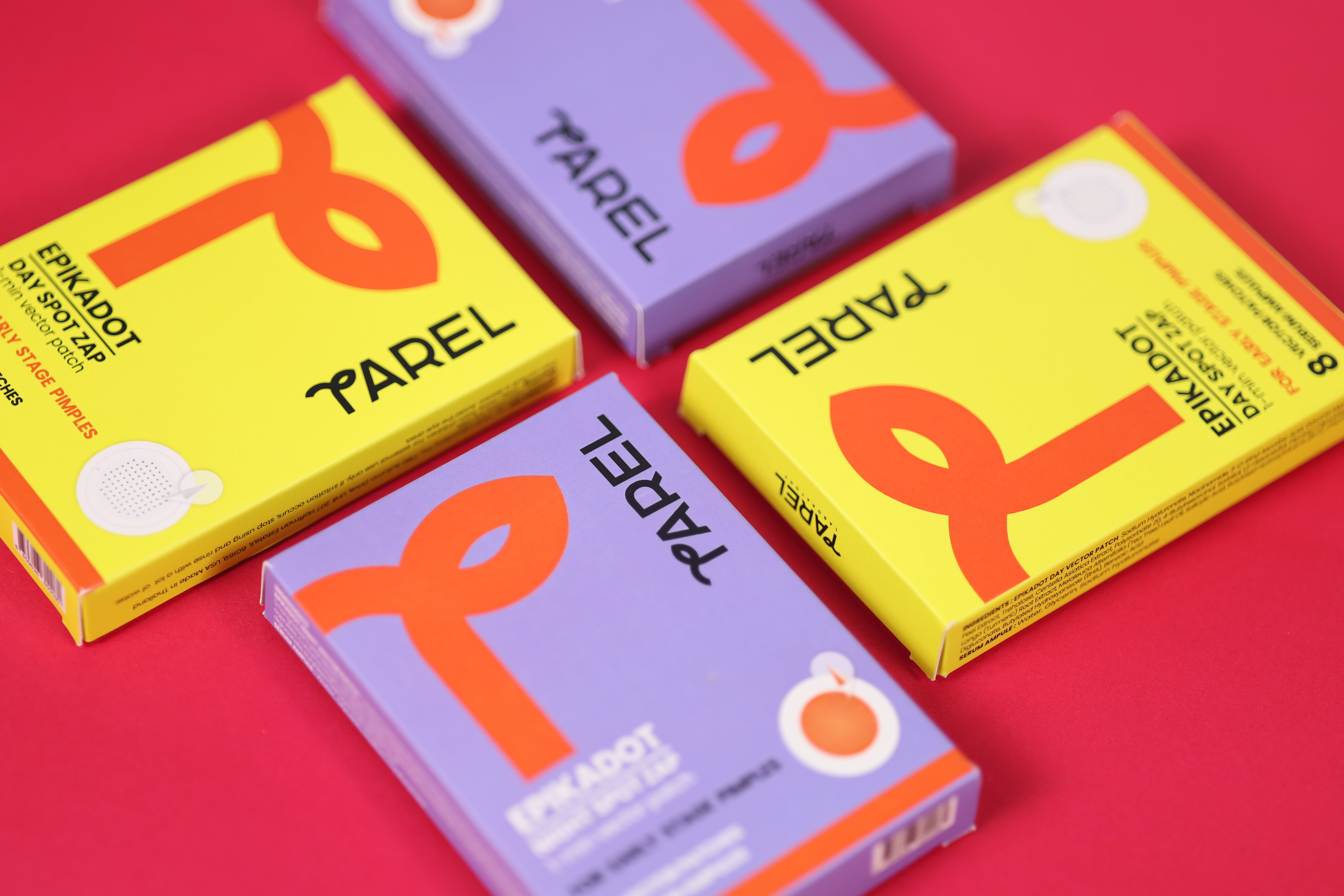
Epikadot was developed to support an early-care skincare routine.
Used at the first sign of a developing pimple — especially at night — usually Epikadot effectively tackle early stage in just one night.
A Simple Night Routine
1. Check if you have any tingling underneath, find early stage
2. Apply Epikadot Night to the area.
2. Leave it on overnight
3. If you detect it early enough, be happy with your skin in the morning right away, if it is a bit late, repeat again and be happy the second morning
The Takeaway
Acne care doesn’t have to be reactive.
Earlier awareness. Gentler care. Less visible aftermath.
That’s the mindset behind Epikadot.
FDA Disclaimer:
Epikadot is a cosmetic product intended to support the appearance of skin. It is not intended to diagnose, treat, cure, or prevent any disease.
US shipping